
The allure of chance
The psychology behind gambling is deeply intertwined with the allure of chance. People are naturally drawn to risk-taking behaviors, and casinos capitalize on this attraction by creating environments that enhance anticipation and excitement. The uncertainty of winning serves as a significant motivator for many gamblers, igniting emotional responses that can feel intoxicating, especially when they explore new betting sites that offer various thrilling experiences. Each spin of the wheel or roll of the dice generates a sense of possibility, heightening engagement and producing euphoric feelings, particularly when players experience wins, regardless of their size.
Moreover, many individuals are influenced by the notion of luck and the belief that they can somehow exert control over outcomes through rituals or strategies. Gamblers often develop personal superstitions, such as wearing specific clothing or adopting certain routines before placing bets. These rituals serve to reinforce their connection to the game and can provide a false sense of control over inherently random events, deepening their emotional investment and enhancing their experiences within the casino environment.
Additionally, the design of casinos amplifies the sense of chance and risk. Colorful lights, enticing sounds, and strategically placed machines create an immersive experience that captures attention and fuels excitement. This sensory stimulation works in tandem with the psychological thrill of gambling, drawing players in and encouraging them to stay longer. As they lose track of time and reality, the potential rewards become increasingly alluring, making it challenging for them to walk away even when they should.
Emotional triggers and decision-making
Gambling is often characterized by emotional highs and lows that significantly influence decision-making processes. The thrill of winning can lead to overconfidence, where gamblers believe they possess an edge or are on a winning streak, compelling them to continue playing. Conversely, losses can produce feelings of frustration and desperation, prompting individuals to chase after their losses, often resulting in even greater financial setbacks. This cyclical nature of emotions can trap gamblers in a continuous loop, where hope and despair intertwine into a powerful driving force that keeps them engaged.
Psychologically, the interplay between reward and risk is crucial. Casinos utilize a model of immediate reinforcement, providing quick feedback on bets. This rapid response reinforces addictive behaviors because the brain releases dopamine—a neurotransmitter associated with pleasure—every time there is a win. The anticipation and eventual receipt of rewards create a feedback loop that strengthens the desire to return for more, as individuals chase that fleeting high. This dynamic is particularly effective in creating habitual players who find it challenging to resist the call of the next game.

Furthermore, situational factors can amplify these emotional triggers. Social interactions within a casino, such as cheering crowds or the camaraderie shared among fellow players, contribute to an electrifying atmosphere that enhances the gambling experience. As individuals share in the ups and downs of the game, their emotional responses can become even more pronounced, encouraging them to take greater risks. This social dynamic adds another layer to the psychological aspects of gambling, where communal experiences shape individual behaviors and decisions, reinforcing a cycle of engagement and risk-taking.
The role of cognitive biases
Cognitive biases significantly impact gambling behaviors and can lead players to make irrational decisions. One of the most common biases affecting gamblers is the illusion of control, where individuals overestimate their ability to influence outcomes in games of chance. For instance, players might think that their strategies or skills can sway the odds in their favor, despite the fundamentally random nature of the game. This belief can encourage repeated play as individuals become convinced that their luck will change if they just try a little harder, often leading to increased financial losses.
Another prevalent cognitive bias is the gambler’s fallacy—the mistaken belief that past events influence future probabilities in independent random events. For example, if a slot machine has not paid out for an extended period, a gambler might feel that the next spin is “due” for a win. This erroneous reasoning can lead to prolonged play and increased losses, as players chase after what they perceive as an inevitable win. Recognizing these biases is crucial for understanding why some individuals engage in prolonged and harmful gambling behaviors, as they can misinterpret the randomness of the outcomes.
Additionally, the framing of outcomes can alter how players perceive their experiences in casinos. When a loss is framed as a “near miss” or as being close to winning, it can evoke feelings of hope and encourage further play. Casino operators often leverage this psychological tactic in game design, enhancing perceived winning potential even when the odds remain unchanged. This manipulation of perception can keep players engaged longer, as they tend to focus on what they almost achieved rather than the reality of their losses, perpetuating a cycle of gambling behavior.
Addiction and its implications
The psychology of gambling can lead to addiction, a serious condition that affects many individuals who frequent casinos. Gambling addiction, or compulsive gambling, can have devastating consequences for a person’s financial stability, relationships, and mental health. As players immerse themselves in the gambling experience and the accompanying emotions, they may find it increasingly difficult to control their impulses. This addiction can develop gradually, starting with innocent play and evolving into a dependence on the thrill and excitement of wagering, often leading to severe financial and emotional consequences.
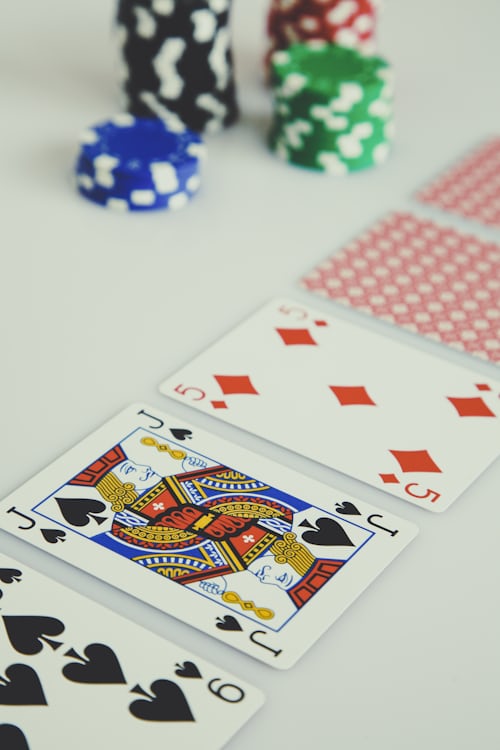
The impact of gambling addiction extends beyond the individual. Families and communities are often affected when someone struggles with this disorder. Financial strain from excessive gambling can lead to tension in relationships, while emotional turmoil can deeply affect loved ones. Support systems may falter as an individual’s priorities shift toward gambling, often leaving family and friends feeling hopeless and frustrated. Recognizing the signs of gambling addiction is essential for encouraging those affected to seek help and consider treatment options, which can lead to recovery and healthier decision-making.
Furthermore, the casino environment itself can exacerbate addictive tendencies. The design elements that attract players—such as free drinks, complimentary entertainment, and the absence of clocks or windows—contribute to a sense of disorientation regarding time and reality. These tactics create an environment that fosters prolonged play and can lead to overwhelming feelings of compulsion, making it even more challenging for individuals to break free from the cycle of gambling. Understanding these factors is crucial for developing prevention and treatment strategies that address the psychological underpinnings of gambling addiction and promote healthier gaming behaviors.
Understanding responsible gambling and resources
As the complexities of gambling psychology become clearer, the importance of responsible gambling practices cannot be overstated. Responsible gambling involves a comprehensive understanding of one’s limits, recognizing the potential for addiction, and taking proactive steps to mitigate risks associated with gambling. Educating oneself about the odds, setting personal limits on time and money, and being mindful of emotional triggers are essential strategies that can empower players to gamble responsibly. Organizations focused on promoting responsible gambling often provide resources and support to help individuals navigate these challenges and cultivate a healthier relationship with gambling.
Various resources are available for those struggling with gambling-related issues. Many casinos now offer self-exclusion programs, allowing players to voluntarily restrict their access to gambling facilities for a specified period. Additionally, support hotlines and counseling services exist to assist individuals seeking help for gambling addiction. These services provide critical lifelines for those looking to break free from the psychological grip that gambling can hold, facilitating a pathway towards recovery and healthier decision-making processes.
Moreover, engaging in community programs that promote awareness around gambling harms can foster a healthier perspective on gaming as a form of entertainment rather than a means to escape reality. By prioritizing education about odds, risks, and personal responsibilities, players can cultivate a more balanced relationship with gambling. These efforts contribute to a broader culture of responsible gambling, promoting well-being within the gambling community and helping to reduce the stigma associated with seeking help. Ultimately, understanding the psychology of gambling can empower individuals to make informed choices and enjoy gaming as a responsible pastime.